

Stewardship in Uncertain Moments
Management is doing things right; leadership is doing the right things.”
~ Peter Drucker
Challenging board discussions in family enterprises often begin with a subtle shift. A softer quarter, a delayed contract, rising costs, or a market that feels less predictable than before are some examples of these subtle shifts. The numbers may still work, yet the confidence behind them begins to thin.
Early conversations are typically thoughtful. Leaders compare scenarios, ask questions, and look for what might be missing. As pressure rises, however, the tone of thinking can change. A suggestion that began as one possible path can become a position someone feels responsible to defend. Other options may be set aside too quickly, not because they lack merit, but because uncertainty becomes harder to hold, leading to a premature convergence on a single solution that may not fully address the complexities of the issue at hand.
When the emotional weight increases, the instinct is to seek resolution. Without noticing, the conversation can narrow, and the group may move quickly toward a decision that feels decisive, even if it has not yet benefited from the full range of perspectives in the room.
What Pressure Does to a Group
Under strain, most groups do not become irrational; they become protective. Each person advocates for what feels most responsible or least likely to lead to regret, often prioritizing their own interests or the interests of their immediate group over collective decision-making. Every perspective can hold legitimate insight.
The challenge is preserving curiosity between those views. Questions that would normally deepen understanding may begin to sound like challenges. Listening shifts from exploring possibilities to testing weaknesses, and the room can quietly settle into firm positions even when everyone wants the same outcome.
There is often relief in reaching certainty quickly. Yet the strongest decisions usually emerge when leaders allow space for complexity long enough for the group’s full perspective to shape the path forward.
Holding Clarity Under Pressure
Clarity often begins with a simple shift: slowing the pace. When conversations tighten, the instinct is to resolve them quickly. Effective leaders do the opposite; they create space for the discussion to breathe before moving toward a decision.
This does not mean encouraging endless debate. It means asking thoughtful questions that bring the real issues into view:
● What are we trying to protect?
● What concern sits beneath this proposal?
● Which risk feels most significant?
Questions like these separate emotion from assumption and allow for the expression of perspectives without escalating positions.
Clarity under pressure is not the absence of strong feeling; it is the ability to think alongside it. Families that cultivate this discipline are not free from disagreement, but they become more comfortable engaging in it, which helps them navigate conflicts more effectively and maintain healthy communication. Over time, this steadiness strengthens trust, not because everyone agrees, but because the process remains thoughtful, balanced, and grounded.
What Gets Modelled in These Moments
The most meaningful lessons in a family enterprise often emerge during moments of pressure. While decisions may appear practical on the surface, the process used to reach them creates a lasting impression.
Younger family members are especially attentive in these moments. They are not only listening for outcomes; they are observing how disagreement is handled when the stakes are real. Do leaders remain curious? Does urgency narrow the discussion, or does it encourage more thoughtful dialogue?
Over time, these patterns shape the family’s culture. Clear thinking under pressure is not simply a personality trait; it is a discipline that can be practiced and strengthened. For families whose decisions influence generations to come, that discipline becomes an essential expression of stewardship.
Concluding Thoughts
Family decisions can feel heavier at certain times, and the instinct is often to reach for quick certainty. Slowing down long enough to understand what’s truly being asked and the trade-offs involved builds clarity and steadiness.
Clear thinking doesn’t remove tension; it helps families navigate it thoughtfully. Over time, this approach shapes a culture where people listen, disagree, and make difficult choices without friction.
If your family is in the middle of a high-stakes decision and you would value a steady space to think it through, we would be glad to help. You can schedule a conversation with Beacon Family Office whenever the timing feels right.

ABOUT THE AUTHOR
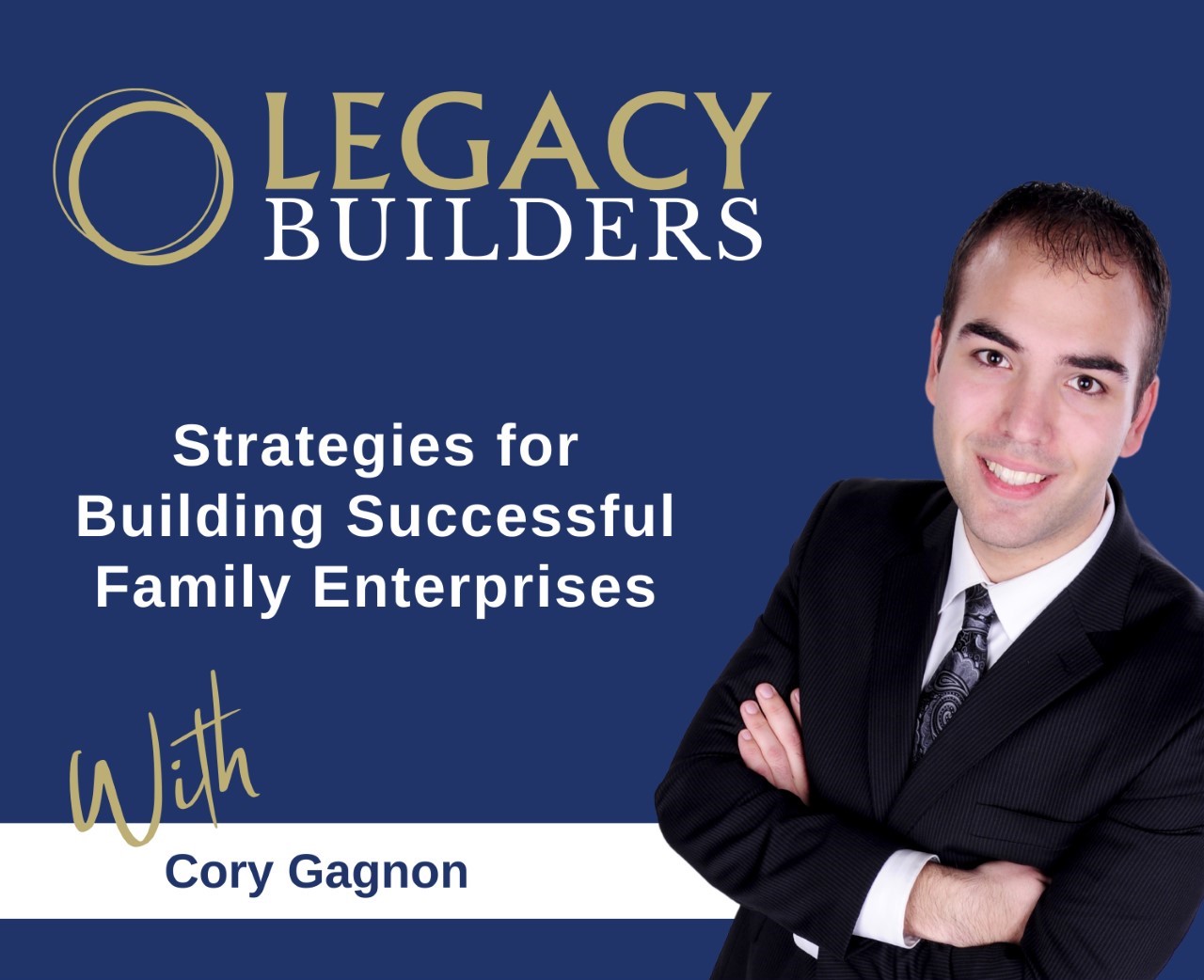
As the Senior Wealth Advisor at Beacon Family Office at CI Assante Wealth Management Ltd., Cory Gagnon has supported successful family enterprises to preserve, protect and transition their wealth since 2011.
Cory’s personal objective as a Wealth Advisor is simple. He is committed to supporting families to take control of the areas of their lives that truly matter to them. This commitment revolves around using specific tools and strategies that enable families to take action with confidence which will support them through life’s critical transitions.
ABOUT THE AUTHOR
As the Senior Wealth Advisor at Beacon Family Office at CI Assante Wealth Management Ltd., Cory Gagnon has supported successful family enterprises to preserve, protect and transition their wealth since 2011.
Cory’s personal objective as a Wealth Advisor is simple. He is committed to supporting families to take control of the areas of their lives that truly matter to them. This commitment revolves around using specific tools and strategies that enable families to take action with confidence which will support them through life’s critical transitions.
Share this post:
KEEP READING?

Beacon Family Office at CI Assante Wealth Management Ltd.
Suite 519, 10333 Southport Road S.W.,
Calgary, AB T2W 3X6
DISCLAIMER
Mutual fund products, investment services and recommendations are offered through Assante Financial Management Ltd. Insurance products and services are provided through Assante Estate and Insurance Services Inc.
Assante Financial Management Ltd. is a member of the Canadian Investment Regulatory Organization.
Wealth planning services may be provided by an accredited Assante advisor or through CI Assante Private Client, a division of CI Private Counsel LP, or a non-affiliated third party.
