

Quiet Strength: Leadership in Enterprising Families
“The leaders who work most effectively never say ‘I.’ They think ‘we.’”
~ Peter Drucker
There is something memorable about a leader who does not need to win every exchange. In enterprising families, authority is often shaped by experience building a business, taking risks early, and guiding the family through challenging periods. Over time, that experience builds trust, and the leader’s voice holds significant weight.
That authority, however, can take different forms. At times, it can become a need to remain unchallenged. At its best, it creates the freedom to keep seeking the right answer, even if that answer comes from someone else. This scenario is where confidence and attachment begin to diverge; one allows for clarity and openness, while the other can make it harder to step back from a position. In family settings, people often feel that difference quickly. People can sense when a conversation genuinely opens and when someone has already decided the outcome.
The Discipline of Changing One’s Mind
Leaders in enterprising families are often expected to be clear, decisive, and steady under pressure, and rightly so. These qualities provide direction and confidence when you need them most.
Equally important, though less often seen, is the ability to recognize when another perspective offers greater clarity and to move toward it with openness. This kind of flexibility does not diminish authority; it often reflects a confidence grounded enough to serve something larger than personal certainty.
Many would say they are open to changing their minds. The more telling question is whether those closest to them would agree or whether a spouse, children, or colleagues feel their perspectives can genuinely shape decisions.
When expectations are high and one’s identity is tied to having answers, this openness can be difficult. Yet it is often what strengthens both leadership and trust over time.
How Leadership Shapes Family Culture
In enterprising families, leadership manifests not only in decisions but also in the environment that those decisions create.
When being right takes priority over finding the right answer, others often adjust by holding back, softening their views, or stepping away from the conversation. Over time, respect may remain, but openness can begin to fade.
A different dynamic emerges when a leader shows that truth matters more than personal certainty. Conversations become more open, perspectives are shared more freely, and trust deepens across generations.
Such leadership does more than just guide better decisions; it creates a space where people feel comfortable thinking aloud. In families facing complex and evolving questions, that openness allows shared wisdom to surface, strengthening both relationships and outcomes over time.
The Challenge Behind the Shift
Changing one’s mind is rarely just a practical decision; it is often personal. For leaders who have long provided clarity and direction, decisiveness can become part of their identity. Their judgment has guided the family through decisive moments, and others have come to depend on that steadiness. In that context, stepping toward a better idea can feel less like adjustment and more like letting go of something earned.
That is why humility in leadership reflects more than noble intent; it signals a deeper sense of security. A leader who shifts without defensiveness demonstrates that openness strengthens authority rather than diminishes it.
Over time, this approach models something powerful for the family: that strength and openness can coexist; that conviction need not become rigidity; and that wisdom includes the willingness to keep learning.
Without this approach, a different pattern can quietly take hold where agreement feels safer than honesty, and important perspectives remain unspoken. Over time, that can shape the culture of a family in lasting ways.
Concluding Thoughts
In enterprising families, leadership shapes how people speak, disagree, and think together. When being right becomes the priority, others often adjust, choosing safer words or holding back altogether. Over time, such behaviour can limit the openness and perspective on which thoughtful decision-making relies.
It can be beneficial to reflect on a few simple questions: When someone close to you disagrees, do they feel heard? Can those around you influence your thinking when they see something differently? The answers are often found not in intention, but in experience.
If these questions resonate, it may be worthwhile to explore them more intentionally. We’d be glad to continue the conversation with you. Feel free to book a call with Beacon Family Office at CI Assante Wealth Management Ltd.

ABOUT THE AUTHOR
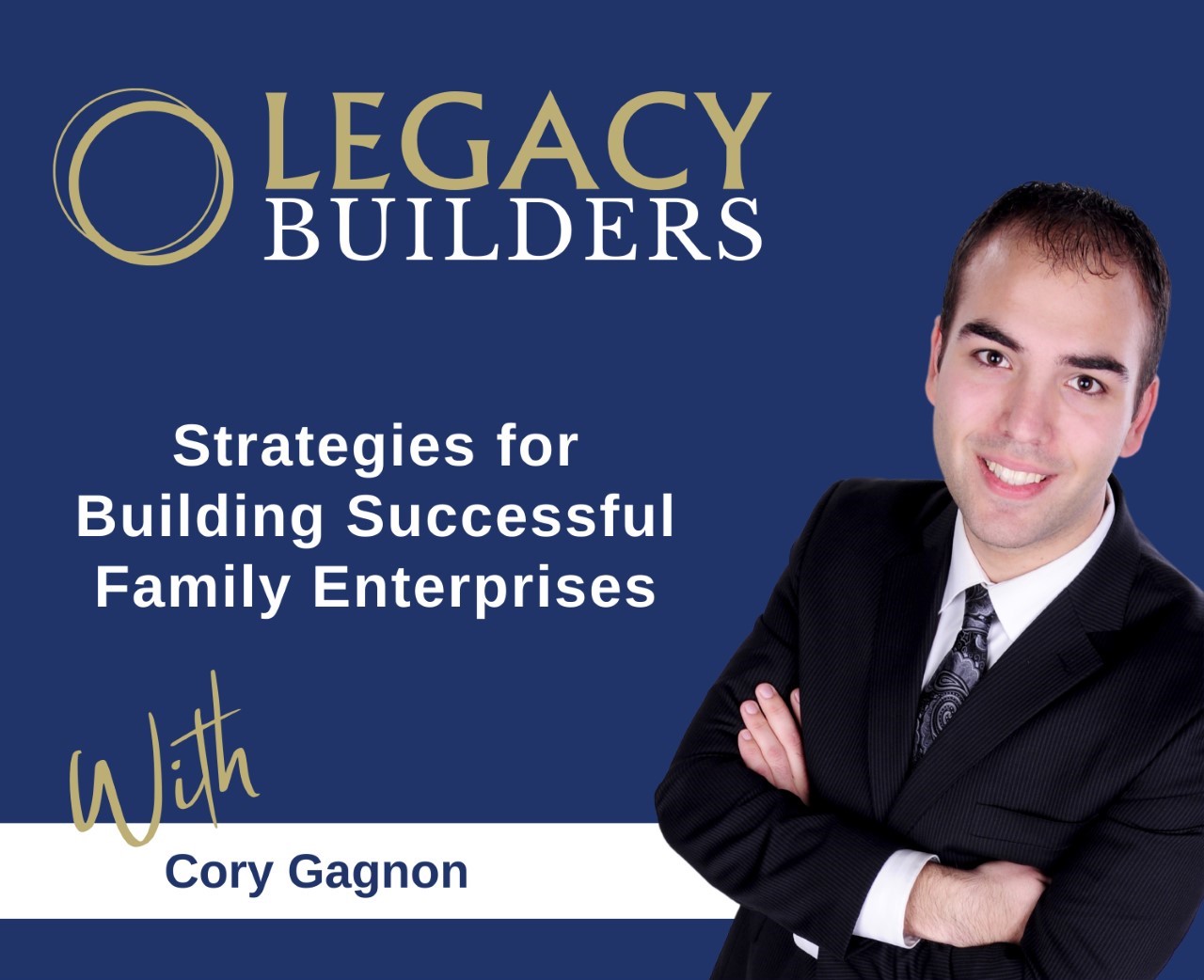
As the Senior Wealth Advisor at Beacon Family Office at CI Assante Wealth Management Ltd., Cory Gagnon has supported successful family enterprises to preserve, protect and transition their wealth since 2011.
Cory’s personal objective as a Wealth Advisor is simple. He is committed to supporting families to take control of the areas of their lives that truly matter to them. This commitment revolves around using specific tools and strategies that enable families to take action with confidence which will support them through life’s critical transitions.
ABOUT THE AUTHOR
As the Senior Wealth Advisor at Beacon Family Office at CI Assante Wealth Management Ltd., Cory Gagnon has supported successful family enterprises to preserve, protect and transition their wealth since 2011.
Cory’s personal objective as a Wealth Advisor is simple. He is committed to supporting families to take control of the areas of their lives that truly matter to them. This commitment revolves around using specific tools and strategies that enable families to take action with confidence which will support them through life’s critical transitions.
Share this post:
KEEP READING?

Beacon Family Office at CI Assante Wealth Management Ltd.
Suite 519, 10333 Southport Road S.W.,
Calgary, AB T2W 3X6
DISCLAIMER
Mutual fund products, investment services and recommendations are offered through Assante Financial Management Ltd. Insurance products and services are provided through Assante Estate and Insurance Services Inc.
Assante Financial Management Ltd. is a member of the Canadian Investment Regulatory Organization.
Wealth planning services may be provided by an accredited Assante advisor or through CI Assante Private Client, a division of CI Private Counsel LP, or a non-affiliated third party.
